Bahamas Tourism Investment Pipeline Hits $3.5 Billion As Visitor Arrivals Reach Record High
 20 August 2026
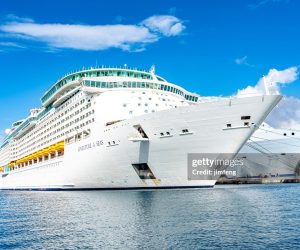


News Americas, NEW YORK, NY, Thurs. August 20, 2026: The Bahamas is seeing a major surge in tourism investment, with approximately $3.5 billion in announced and active projects across cruise infrastructure, luxury resorts, and destination development, according to the latest Caribbean Economics Quarterly from the Inter-American Development Bank.
The pipeline includes about $1.5 billion in cruise infrastructure in Grand Bahama, a $200 million Royal Beach Club Paradise Island development, and more than $1.3 billion in luxury resort projects across Eleuthera, the Exumas and Abaco. The investment wave comes as The Bahamas records historic visitor numbers. Tourist arrivals reached 12.5 million in 2025, up 11.4% from 2024 and about 72% above the 2019 pre-pandemic peak. But the visitor mix remains heavily skewed toward cruise tourism.
Approximately 85% of all arrivals were cruise passengers, a segment that tends to generate lower per-visitor economic value than stopover tourism. Meanwhile, stopover arrivals fell 2.6% to 1.82 million in 2025, continuing a recent softening in higher-value overnight tourism. That contrast raises questions about how effectively the country’s growing tourism infrastructure can translate record visitor volumes into deeper local spending, stronger employment and higher economic returns.
Foreign direct investment prospects remain positive. The report cites expected net FDI inflows of approximately $209 million in 2026, $263 million in 2027 and an annual average of $339 million between 2028 and 2030. Several of the projects are already under construction or operational, supporting construction and employment even where visitor trends fluctuate. The Bahamas therefore enters the second half of the decade with one of the largest visible tourism investment pipelines in the Caribbean.
The scale of the investment pipeline also underscores how central tourism remains to The Bahamas’ wider economic outlook. Large resort and cruise infrastructure projects can generate activity well beyond the properties themselves, creating demand across construction, transportation, food and beverage, professional services, entertainment and other tourism-linked businesses.
But the divergence between cruise and stopover arrivals will be important to watch. Record headline visitor numbers do not necessarily translate into equivalent increases in tourism receipts or domestic economic activity. Stopover visitors generally require accommodation and tend to spend across a wider range of local services, while cruise visitors spend less time in the destination.
The challenge for The Bahamas will therefore be converting the current investment cycle and unprecedented visitor volumes into greater value retained within the economy. New tourism infrastructure that encourages longer stays, greater local purchasing, stronger linkages with Bahamian businesses and increased visitor spending could determine how broadly the benefits of the investment boom are ultimately distributed.
Beyond the headline tourism numbers, the scale of planned investment could have implications for economic activity across multiple sectors. Major hotel, resort and cruise infrastructure projects require construction services, building materials, transportation, professional services and workers during development, while completed properties create ongoing demand for suppliers, hospitality workers and local service providers.
The geographic spread of the projects is also significant. With major developments extending beyond Nassau and Paradise Island into Grand Bahama, Eleuthera, the Exumas and Abaco,the investment pipeline has the potential to distribute tourism-related economic activity across several islands rather than concentrating new development in the country’s traditional tourism center.
For policymakers and investors, however, the key measure will ultimately be the economic value created from that expansion. Continued investment combined with stronger stopover tourism, increased local procurement and greater participation by Bahamian businesses could help turn today’s multibillion-dollar construction and development pipeline into longer-term economic gains.
Related News

Guyana – US Pushes To Lead Guyana’s Energy Future As Country’s Aging Ferry Flee...

The $936 Billion Wall: Bridge Loans And Caribbean and Latin American Developers

For Women in Science 2026 Call for Applications Opens, Offering Two $15,000 Awards to Cari...