

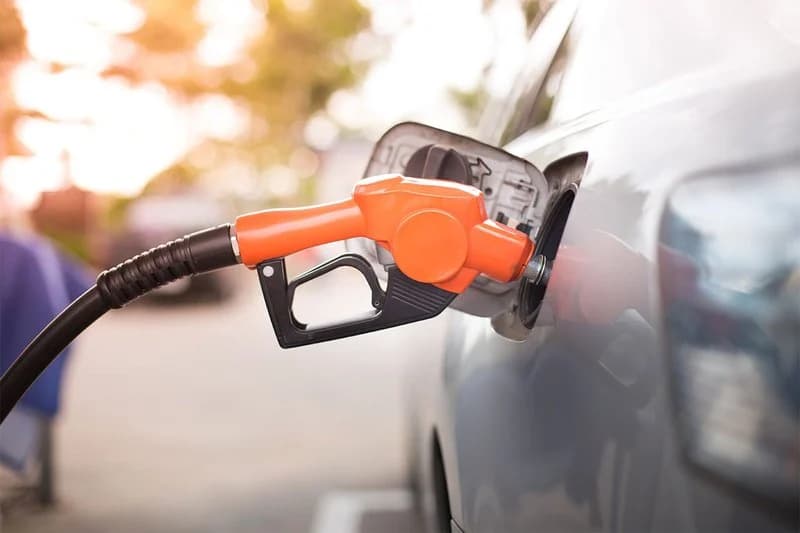


Prime Minister Dr. Terrance Drew has announced a reduction in the price of unleaded gasoline at the pump, as part of government measures to ease the cost-of-living pressures on residents of St. Kitts and Nevis.
The twin-island administration said that this initiative aims to provide immediate relief to households and businesses across the country.
Fuel prices in St. Kitts and Nevis dropped by EC$0.23 per gallon at Delta Service Stations and EC$1.11 per gallon at SOL Service Stations within 8 days. On April 14, 2026, the maximum retail price for unleaded gasoline was at EC$18.42 per gallon at Delta Service Stations and EC$19.30 per gallon at SOL Service Stations.
After the enforcement of the relief measure by the government, the price decreased to EC$18.19 per gallon at both Delta Service Stations in St. Kitts and SOL Service Stations from April 22, 2026.
The measure taken by the government of St. Kitts and Nevis, reflects their decisive efforts to ease cost of living pressure. PM Dr. Drew also announced a 50 percent reduction in the excise tax on gasoline, from EC$1.95 to EC$0.98 per gallon and it will be effective until July 31, 2026.
The step reflects the administration’s commitment towards supporting the island’s public. The administration made a reduction in the Customs Service Charge (CSC) on gasoline from 6 percent to 3 percent which is effective until July 31, 2026. The outcomes from the measure will be seen in upcoming days and weeks in future shipment of fuel arrival in St. Kitts and Nevis.
According to officials, changes in fuel price will give broad positive effects in the twin island’s economy, primarily bringing down the transportation costs. The impact of changes will be seen in other sectors including stabilizing the price of services and goods, and supporting household budgets.
Moreover, other sectors such as agriculture, manufacturing, and distribution as these sectors are dependent on energy and transportation will be benefited by the lower fuel costs.

Anthony Morris
Reporter at SKN News | [email protected] | + postsBio ⮌
Anthony Morris covers stories related to politics and regional developments. His in-depth reporting about governance and reforms makes him stand out in regional journalism, with a deep analysis of political trends and their impact on Caribbean communities.
Related News

St. Kitts and Nevis manufactures first locally made 1,000-gallon water tank

St. Kitts and Nevis Premier League: Final match week set to determine playoff spots
St. Kitts and Nevis to host AfriCaribbean Trade and Investment Forum 2026 in July
