A Painting Made For The Dominican Republic Just Got Ripped Off Its Embassy Wall For Being “Too Woke”
 27 August 2026



By NAN Staff Writer, NewsAmericas Now
News Americas, SANTO DOMINGO, Dominican Republic, Thurs. August 27, 2026: A painting the U.S. government commissioned specifically to honor Dominican art and artists has been torn down from the American Embassy in Santo Domingo, and the State Department now wants to sell it.
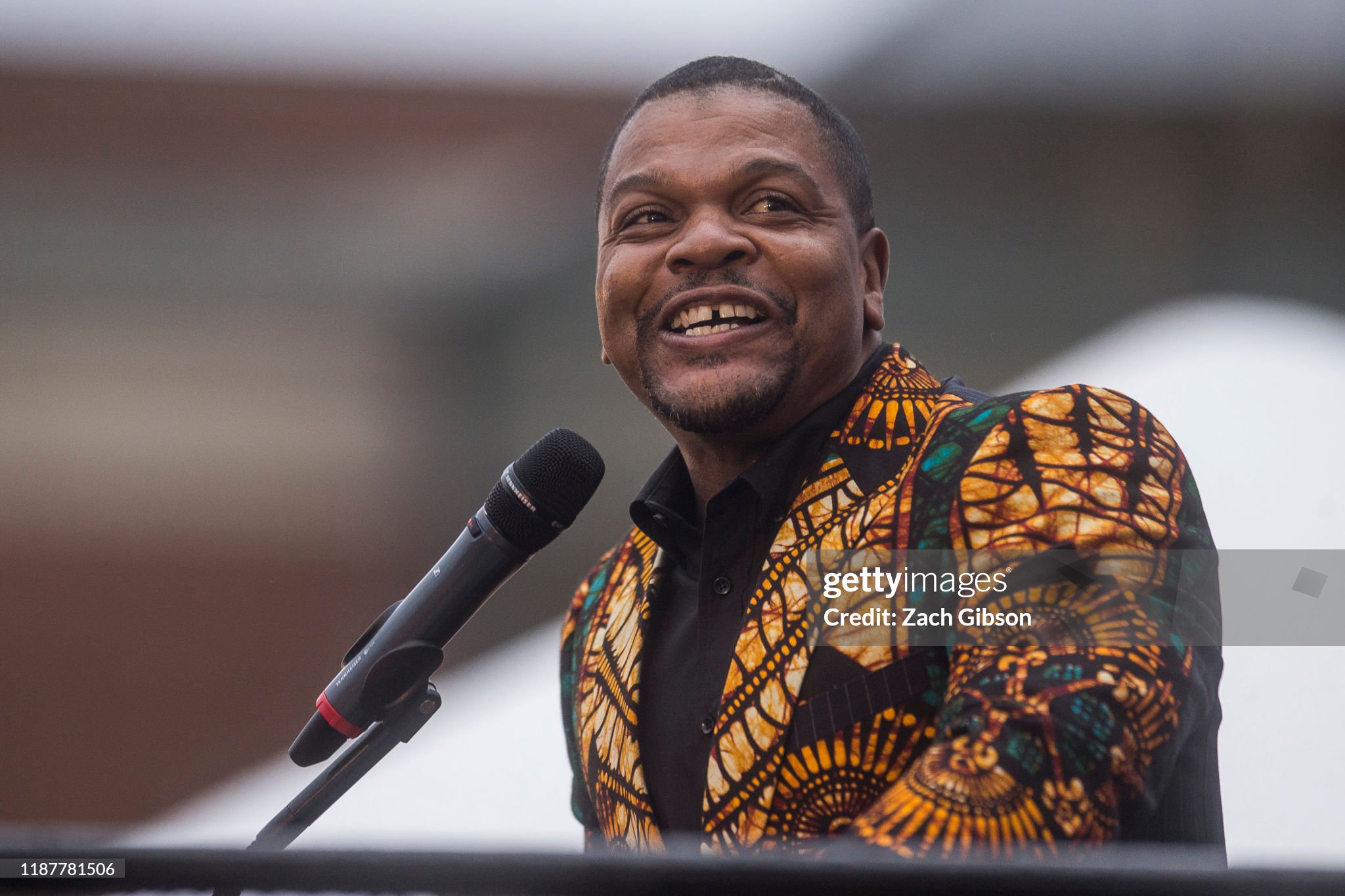
“Young Artists After Siamesas 1960,” by acclaimed Us-born artist Kehinde Wiley, best known for painting Barack Obama’s official presidential portrait, depicts four Dominican models against a floral backdrop. It wasn’t a generic import: Wiley spent two years studying the work of Dominican modernists Celeste Woss y Gil and Gilberto Hernández Ortega, collaborating directly with art students from Santo Domingo’s Facultad de Artes and the Altos de Chavón School of Design to create it. Taxpayers funded the commission in 2013, and the State Department itself awarded Wiley its Medal of Arts in 2015 specifically “for his longtime contributions to Art in Embassies and cultural diplomacy.” Wiley is a renowned artist who has firmly situated himself within art history’s portrait painting tradition. As a contemporary descendant of a long line of portraitists, including Reynolds, Gainsborough, Titian, Ingres, among others, Wileyengages the signs and visual rhetoric of the heroic, powerful, majestic, and the sublime in his representation of urban Black and Brown men found throughout the world.
Torn down and covered in a flag

Last week, embassy staff removed the painting, but not before draping it in a tarp printed with an American flag first. Erin Scavino, director of the Art in Embassies program, called it “very woke” and “aesthetically terrifying” in a podcast interview, adding, “It was by the gentleman who did Obama’s portrait.” U.S. Ambassador to the Dominican Republic Leah Campos celebrated the removal on social media with a video set to the rock anthem “We’re Not Gonna Take It,” writing that the painting represented “globalist and woke ideologies.” Neither official explained what was actually objectionable about the artwork itself.
Asked directly about the painting’s content, a State Department spokeswoman instead pointed to unrelated 2023 comments Wiley had made about a different, separate painting, and to sexual assault accusations Wiley has publicly denied. “The work of an individual with such violent and racist words and depictions has no place in the America First State Department,” the spokeswoman said, confirming the department is now exploring whether it can legally sell the piece.
A program built for exactly this
Virginia Shore, who ran the Art in Embassies acquisitions program from 2000 to 2017 and commissioned the Wiley piece, pushed back directly. “Calling this woke is difficult for me to understand,” she said. “This is a program validated and financially backed under Bush. There is a science of building trust and empathy across borders.” The Art in Embassies program dates to the Kennedy administration in 1963, created specifically to foster cultural diplomacy through art reflecting the countries embassies serve, exactly what a two-years-in-the-making painting made with and for Dominican artists represents.
There’s no precedent for the government selling an existing embassy artwork, according to Shore. A smaller Wiley painting sold at auction in 2024 for nearly $845,000.
Part of a pattern
The Dominican painting’s removal isn’t an isolated incident. Scavino has claimed credit for pushing out an ambassador in Bucharest, Romania, over what she called “satanic baby art,” though that departure was officially reported as a planned retirement. She also appointed a friend with no curatorial experience to run the U.S. Pavilion at the Venice Biennale, bypassing normal selection procedures, and organized a Washington exhibition this July built around nearly 70 versions of the American flag.
For a piece specifically created to honor Dominican art, Dominican artists, and Dominican cultural identity, on the walls of the embassy meant to represent America to the Dominican Republic, its removal raises an obvious question: what, exactly, about honoring the Dominican Republic’s own artistic heritage was considered un-American in the first place?
NewsAmericasNow will continue tracking cultural and diplomatic developments affecting the Caribbean.