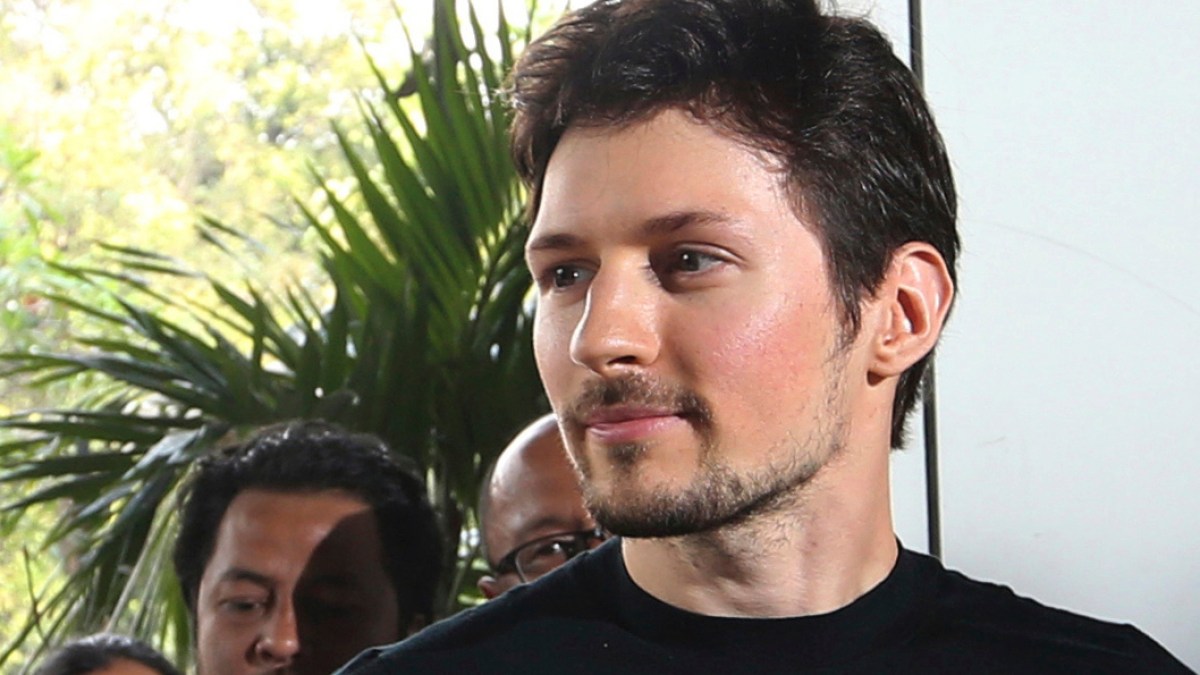

Russian authorities have charged Pavel Durov, cofounder of the encrypted messaging platform Telegram, with “aiding terrorism” and issued an international arrest warrant for him.
Russia’s FSB security agency announced the charge against Durov on Wednesday, saying his company failed to take down “channels, chats and bots” used by “Ukrainian special services and by terrorist and extremist organisations” to prepare and coordinate attacks in Russia.
- list 1 of 3Russia restricts calls on WhatsApp, Telegram as internet control tightens
- list 2 of 3Telegram CEO Pavel Durov hits out at ‘misguided’ arrest
- list 3 of 3Russia jails French researcher Laurent Vinatier for three years
end of list
Those attacks included acts of “sabotage and terrorism, mass killings, and cyber-fraud operations”, said the FSB.
There was no official comment from Durov or Telegram, but Telegram’s official account on X posted a photograph of Durov holding up his middle finger after the charge was announced.
The Russian charge comes as Moscow tries to restrict the use of Telegram and other popular messaging apps, such as WhatsApp, while promoting its own state-backed MAX messenger service.
Experts warn that MAX, which openly declares it will share user data with authorities upon request, does not use end-to-end encryption that ensures messages remain private.
Russia’s government has also blocked social media like Twitter, Facebook and Instagram while ramping up restrictions on services like YouTube.
Durov, who was born in Russia but now holds Emirati and French passports, co-founded Telegram in 2013. Before that, he launched Russia’s Facebook equivalent, VKontakte, before selling his remaining stake in 2014 amid pressure from Russian authorities. Durov claimed he had been under coercion to give Russian authorities access to data from accounts of Ukrainian pro-democracy activists in 2014 – and that he refused to do so.
Advertisement
Earlier this year, Durov announced that the Russian authorities had opened a criminal investigation against him and accused them of fabricating pretexts to restrict access to Telegram as part of an attempt to “suppress the right to privacy and free speech”.
In addition to the Russian investigation, Durov faces a legal probe in France over allegations that Telegram failed to adequately counter criminal activity on the platform and did not sufficiently cooperate with law enforcement requests. Durov denies wrongdoing.
Durov has maintained a hands-off stance on moderation, positioning the app as private and free of censorship. Nonetheless, some experts have cautioned that this approach has led to Telegram becoming a hotspot for illicit activity and extremism.
Related News

US attacks southern Iran, as Tehran hits Gulf countries: What’s the latest?
Turkiye and Libya’s Haftar are boosting military ties. Is Egypt worried?
Canadian province sues OpenAI over alleged ChatGPT-linked shooting warnings