
Over the past year, it may have appeared that the pro-Palestine protest movement in the United States has lost momentum in the face of smears, crackdowns, indifference and fatigue.
But a string of electoral wins by critics of Israeli abuses appears to indicate that activism’s success can only be measured in the long term.
- list 1 of 3Democratic socialist Kiros defeats longtime incumbent in Colorado primary
- list 2 of 3New York City freezes rents for one million regulated apartments
- list 3 of 3After progressive US primary wins, Trump takes aim at ‘godless communists’
end of list
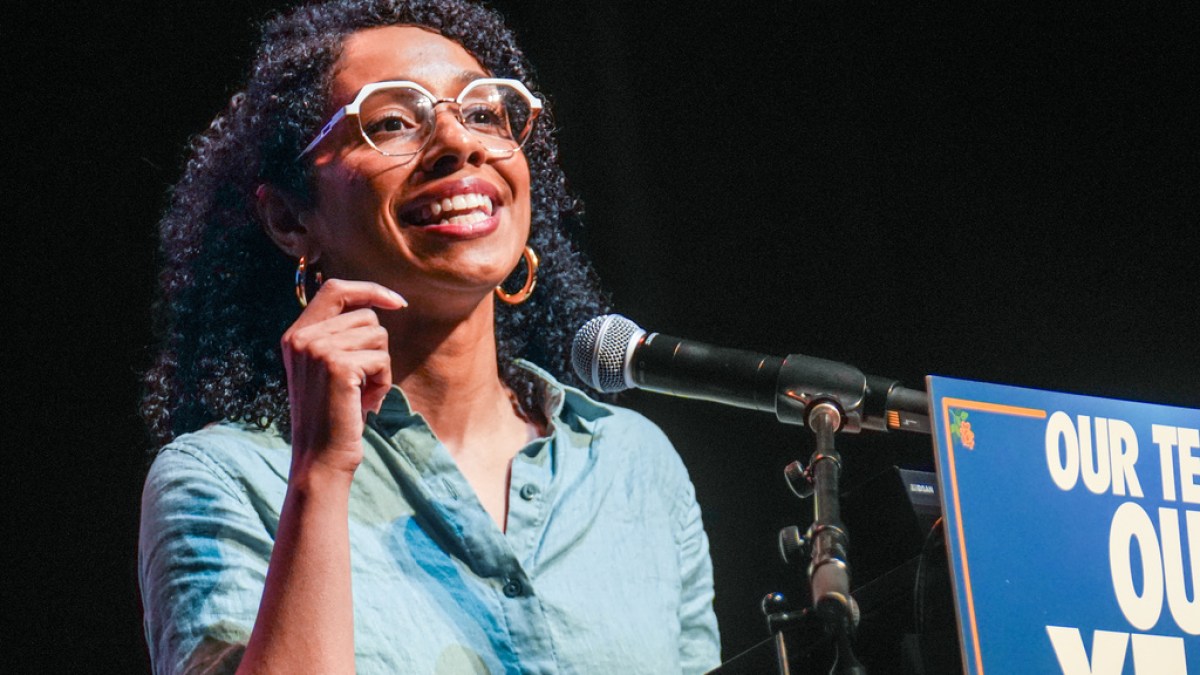
In New York, Darializa Avila Chevalier, an activist who participated in the pro-Palestine protests at Columbia University, won a Democratic congressional primary against a five-term incumbent.
“It’s just so satisfying to feel like the tide is finally turning,” said Maryam Alwan, who participated in the Columbia protest in 2024.
“Public opinion has shifted to a point where it’s unavoidable and undeniable and I think we’re finally starting to see the ripple effects of movements like the encampment that happened two years ago.”
Avila Chevalier’s win was one of several victories for pro-Palestine candidates in New York last week.
Last year, Zohran Mamdani was elected mayor of New York City in part thanks to the efforts of young pro-Palestine activists who powered his campaign.
In Colorado on Tuesday, Melat Kiros, who was fired from her law firm in 2023 for a letter defending Palestinian rights supporters from accusations of anti-Semitism, ousted a House member who had been in Congress for nearly 30 years.
Candidates backed by supporters of Palestinian rights also won key races in Pennsylvania and New Jersey.
Columbia case
Avila Chevalier’s victory especially stands out in the context of the long-term impact of the student protests.
Advertisement
The democratic socialist nominee, who is likely to cruise to victory in a safe Democratic district in November, will represent large parts of Columbia University’s campus, where it all started.
Witnessing horrific atrocities in Gaza that were partly funded by their own government, students at Columbia set up the first encampment in support of Palestinians, sparking a national movement.
Students nationwide then turned their campuses into a frontline for political activism against Israel’s genocidal war against Palestinians.
Dozens of encampments sprang up on campuses across the country in 2024 and chants of “free Palestine” rang in schools from Seattle to Miami.
The students demanded an end to their own schools’ complicity in Israel’s abuses. They called for divestment from Israeli companies and weapons manufacturers.
A security crackdown soon ensued, leading to the arrest of hundreds of students and the removal of encampments.
Avila Chevalier herself was arrested in 2024 as an alum taking part in the protests.
Many students faced academic disciplinary action and others were charged with alleged crimes related to the protests as politicians from both major parties portrayed the movement as anti-Semitic.
Then, Donald Trump returned to the White House in 2025 and went after student activists who were not US citizens, pushing to deport them.
With the encampments removed, the protests getting quieter and the activists going on the defensive to preserve their own personal reputations, safety and freedom, it appeared that the pro-Israel camp successfully suffocated the student movement.
‘New wave of hope’
But the story is not done yet, activists say, and the recent elections show it.
“There’s no words to describe the joy and satisfaction that comes from seeing Darializa, a former leader and organiser of the encampment, represent the school that arrested her,” Alwan said.
She added that while students may not have succeeded in securing divestment despite rallying the personal costs they suffered, change is proving to be a “gradual process”, and public opinion is now more aligned with the protesters.
“We’re experiencing a new wave of hope,” Alwan told Al Jazeera.
Cameron Jones, who participated in the protests at Columbia, said Avila Chevalier was always supportive of younger activists and unafraid to speak up for Palestinian rights, even when it wasn’t popular.
“It’s really inspiring to see how, even though we have faced such immense repression and have been organising in such a hostile environment, the power of the people is still able to overcome all the barriers that are being set by the federal government, Columbia, the media,” Jones said of Avila Chevalier’s win.
Advertisement
The Columbia protests were part of Avila Chevalier’s political identity as she launched her campaign last year.
One of her criticisms of her now-defeated opponent, Congressman Adriano Espaillat, is that he did not adequately support Columbia activist Mahmoud Khalil as he was targeted for deportation by the Trump administration.
Heba Gowayed, a sociology professor at the City University of New York (CUNY), said the recent electoral wins for pro-Palestine candidates would not have been possible without the student protests of 2024.
“When we think about social movements, we think about them as bursts of action, as temporally limited things,” Gowayed told Al Jazeera.
“And when the students are dispersed and the students are expelled and the university doesn’t divest, we see that as the loss of a movement.”
She added that there have been many articles declaring the defeat of student protests and claiming they have petered out and questioning the lack of campus activism in the Trump era after the crackdown.
“But here we have Darializa’s win, Mamdani’s win and the win of the entire socialist slate,” she said. “This does not happen if those students don’t encamp; it just doesn’t happen.”
Related News
US strikes new targets in Iran as Tehran hits Gulf states, Hormuz shipping
Lula holds slim lead over Flavio Bolsonaro ahead of Brazil election

Israel slams Canada for statement opposing West Bank settlement expansion