
EXPLAINER
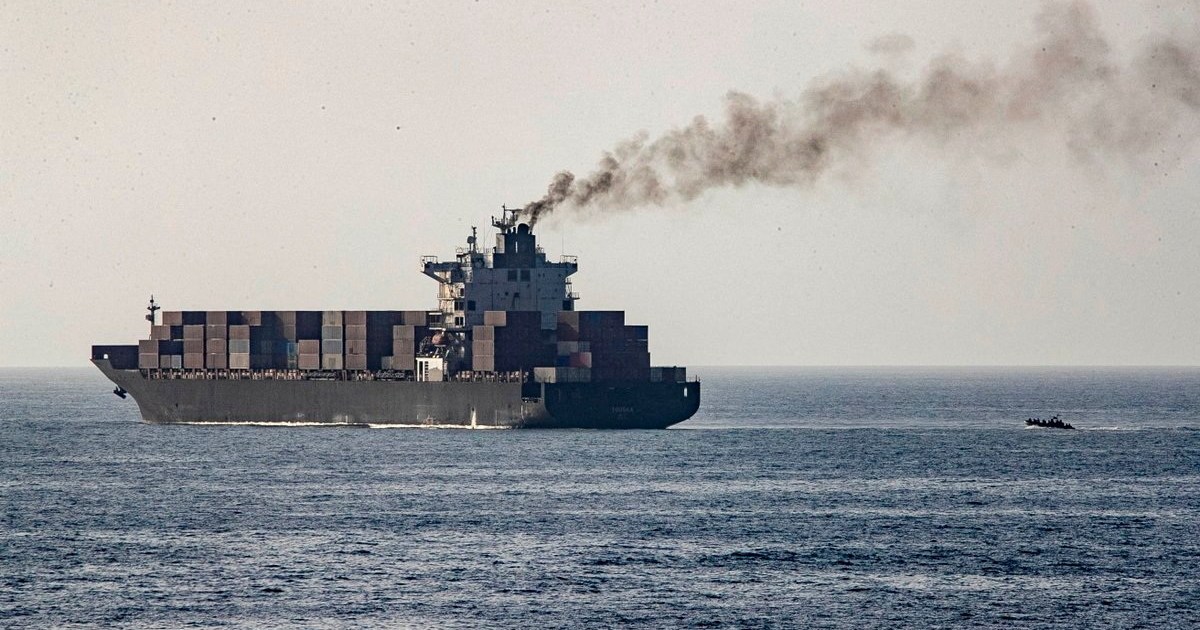
United States President Donald Trump has announced a naval mission called Project Freedom to help navigate stranded ships through the Strait of Hormuz, which remains under a de facto Iranian blockade. The operation will start on Monday, the US president says.
Iran took control of the Strait of Hormuz, through which one-fifth of global oil and liquefied natural gas supplies pass, days after the US and Israel launched attacks on Iran on February 28.
Despite Trump’s announcement, oil prices have failed to ease as the international benchmark Brent crude was essentially flat on Monday morning.
In response to Trump, top Iranian lawmaker Ebrahim Azizi said any US interference in the strait would be considered a violation of the ceasefire.
Here is what we know as the conflict enters day 66:
In Iran
- Responding to Trump’s new naval operation, Iran’s military said on Monday: “Any foreign armed force, especially the aggressive US Army, will be attacked if they attempt to approach and enter the Strait of Hormuz.”
- On Sunday, Iran said it received a US response to its latest offer for peace talks after Trump called Tehran’s proposal “unacceptable”.
- Iranian Ministry of Foreign Affairs spokesperson Esmaeil Baghaei said on Monday that US allies in the region are aware the US-Israeli war on Iran is not legal but rather a “unilateral step” that goes against international law.
Diplomacy
- Pakistani Foreign Minister Mohammad Ishaq Dar and his Iranian counterpart, Abbas Araghchi, have discussed the “regional situation” and “Pakistan’s ongoing diplomatic efforts for peace and stability in the region” in a phone call, Pakistan’s Ministry of Foreign Affairs said in a statement on social media..
- After Trump accused NATO allies of not doing enough to support the US in the war on Iran, NATO Secretary-General Mark Rutte said on Monday that European nations have “gotten the message” and are now ensuring that agreements on the use of military bases are being implemented.
- The leaders of Australia and Japan have agreed to step up cooperation on energy and critical minerals as the Iran war disrupts global trade.
Advertisement
In the US
- Talking about his latest mission for the Strait of Hormuz, Trump said the US would start helping to free ships stranded in the Gulf by the US-Israeli war on Iran. Trump gave few details of the plan to aid ships and their crews that have been “locked up” in the vital waterway and are running low on food and other supplies more than two months after the conflict began.
- The unified command of Iran’s armed forces responded by warning US forces to stay out of the strait. Its forces would “respond harshly” to any threat, it added, telling commercial ships and oil tankers to refrain from any movement in the absence of coordination with Iran’s military.
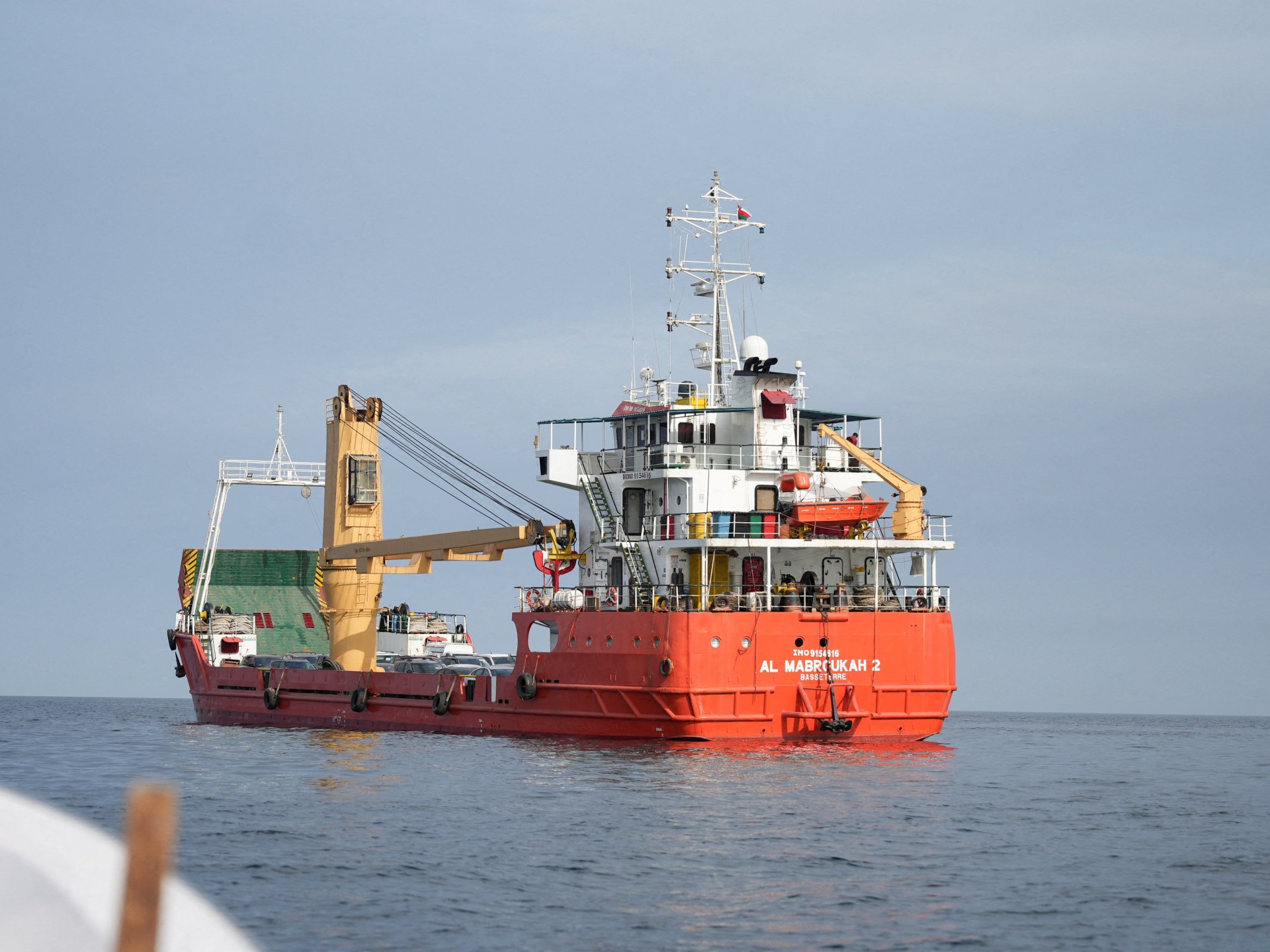
- The US has evacuated 22 crew members held on board an Iranian container vessel to Pakistan and will hand them over to Iranian authorities on Monday, Pakistan’s Ministry of Foreign Affairs said, calling the move a “confidence-building measure”.
-
The United Kingdom Maritime Trade Operations (UKMTO) says the maritime security threat level in the Strait of Hormuz remains critical due to ongoing military operations.
In Lebanon
- Israel has attacked at least eight locations in southern Lebanon. Our colleagues at Al Jazeera Arabic are reporting Israel attacked Debaal, Qana, Srifa and Qalaouiyah as well as Zawtar al-Sharqiya, Toulin, Shehour and Braachit. The attacks came after the Israeli military ordered residents to flee from their homes.
-
According to Lebanon’s National News Agency (NNA), Israeli forces also dropped flares over Braachit overnight and shelled the outskirts of the towns of Safad El Battikh, Yater, Majdel Selm and Chaitiyeh.
Related News
How to escape Russia’s army: Soldiers serving in Ukraine seek a way out
Iran vows ‘long, painful’ response if US renews attacks
Israeli military speedboats block Gaza-bound aid ship