


By Gail S. Pero-Weston
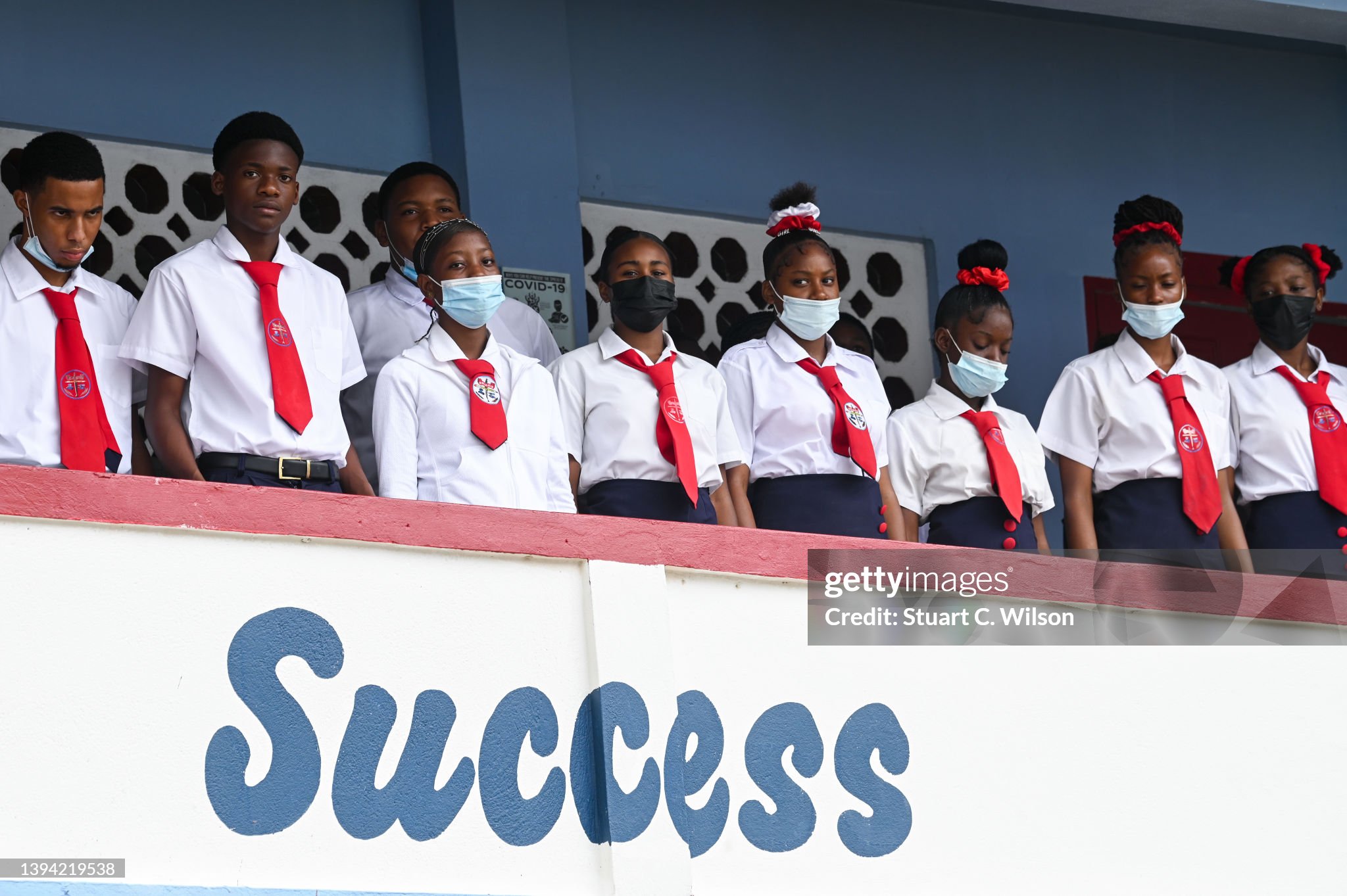
News Americas, ST. JOHN’S, ANTIGUA, Tues. August 25, 2026: The Caribbean has learned an important lesson from the struggle for Caribbean education – especially girls’ educational opportunity: when talent is denied a chance to develop, everyone pays. The gains made by girls should therefore be protected and celebrated. But what of our boys? Equity demands something else: the courage to change!
Increasingly, evidence shows that across much of the English-speaking Caribbean, girls are outperforming boys in school and advancing further through education. The Inter-American Development Bank, using administrative data from Barbados, Jamaica and Trinidad and Tobago, found consistent gender gaps favoring girls in CSEC passing rates and top performances. Only about 65 percent of students who complete primary school in these countries qualify for tertiary education through their CSEC results, and disadvantages that emerge early tend to compound over time.
Research conducted in respect of Jamaica and published in Economía, the LACEA journal, found that female students were 8.5 percentage points more likely than male students to pass a CSEC subject and 6.6 percentage points more likely to pass a CAPE subject. Boys were also more likely to be absent from examinations, while school characteristics, student composition and subject choices explained a substantial portion of the observed gap. These figures do not mean boys are inherently less capable. They tell us that something in the educational journey is producing different outcomes. That distinction matters. A serious society does not turn a performance gap into a verdict about a child’s potential. It asks what is producing the gap and what can be changed.
On this issue, the critical question, therefore, is why so many boys are disengaging before their potential becomes visible. Some struggle with foundational literacy and numeracy. Some accumulate academic failure until school feels like a place where they are measured rather than developed. Some face social pressures that make academic effort appear incompatible with masculinity. Economic disadvantages, weak or little to no mentoring, limited career visibility or an education system insufficiently adapted to different patterns of engagement, all contribute to compound the problem. While none of these explanations should become excuses for low expectations, they are well established and recurring reasons for better intervention for the benefit of boys. It should be noted that the earlier, the better! The evidence is clear that early learning matters profoundly: children who leave primary school substantially behind are far less likely to qualify for tertiary education later.
This is where the conversation about equity must mature. Programmes developed to support boys do not require taking anything from girls. A strong male mentor for boys does not lessen or weaken girls’ opportunities. A serious technical and vocational pathway is no less than university education; it can serve to expand the definition of success.
The practical agenda should be direct: disaggregate achievement, attendance, repetition, dropout and completion data by sex and socioeconomic circumstance; identify where boys begin to fall behind; intervene before failure becomes withdrawal. Develop a reporting mechanism to be used by educators to recognise and respond to disengagement; expand mentoring and career exposure and give technical and vocational education the status, resources and rigour it deserves. IDB research also cautions against assuming that causes are identical everywhere: school effects differ across Caribbean countries. Any policy must therefore be evidence driven rather than built around a single theory.
The Caribbean does not need a new gender contest. It needs a wider definition of equity. We can dismantle barriers that once held girls back all while confronting those that are negatively impacting boys. When we celebrate girls’ achievement, we should do more than simply highlight boys’ decline. We can demand excellence from both without pretending their educational experiences are identical.
The real measure of education, and consequently development, is not which gender wins the statistical race. It is whether we give our children a fair opportunity to discover who they can become. As a people we ought to act with remedial haste in the interest of our boys. The future will likely suffer from any further inattention.
RELATED: Caribbean Education – Where Did the Boys Go?
Related News

Could New Royal Archive Evidence Strengthen CARICOM’s Reparations Case?

Queens, NY Soldier Killed In Iranian Attack In Jordan Was Born In Trinidad

America Turns 250 – Its Financial System Was Built By A Caribbean Immigrant. Now The US ...