

This content originally appeared on Al Jazeera.

EXPLAINER
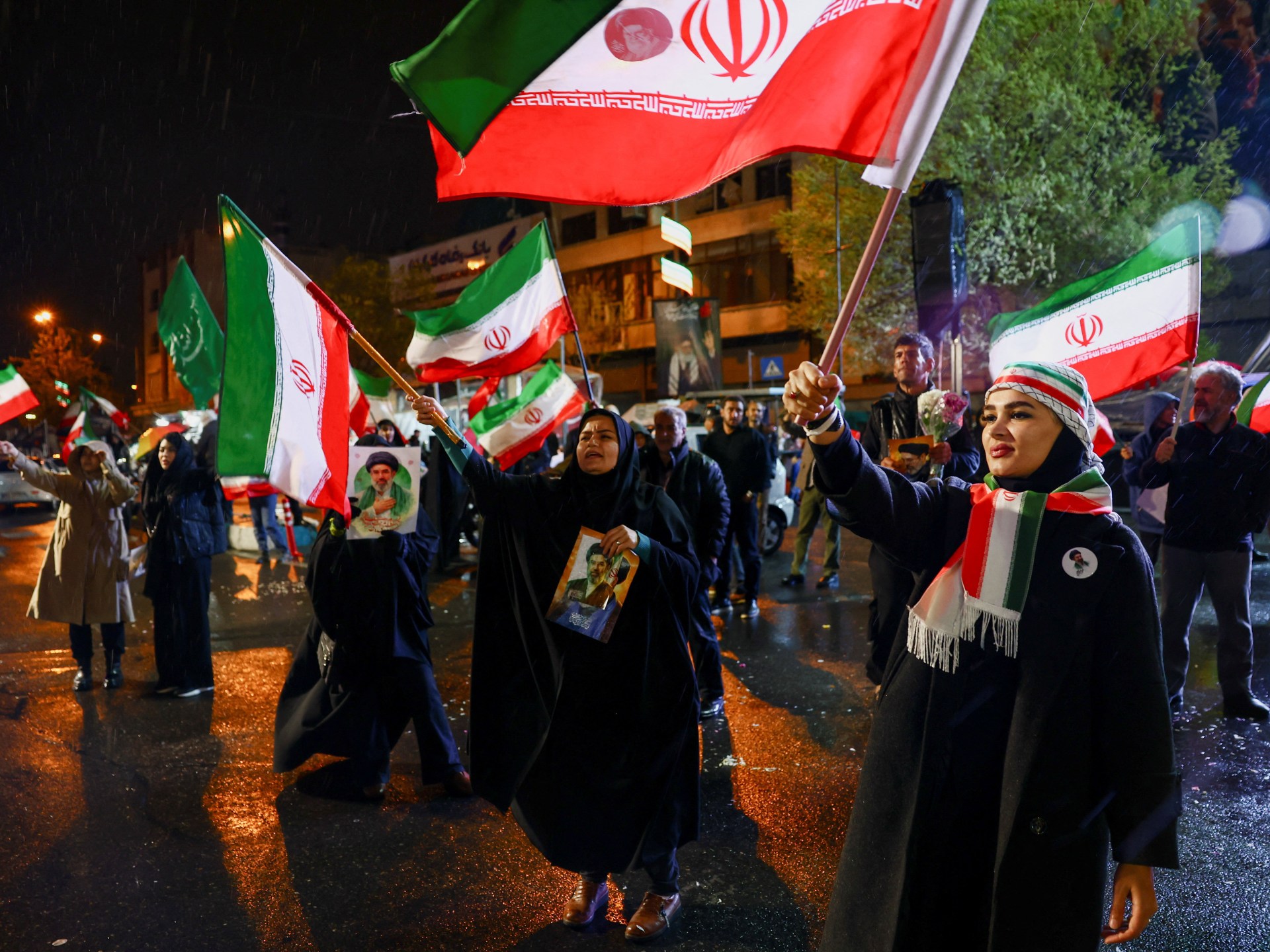
As the war enters day 28, United States President Donald Trump has delayed planned attacks on Iran’s energy infrastructure by 10 days until April 6, saying peace talks are going “very well” – even as Iranian officials describe a US proposal as “one-sided and unfair”.
Pakistan says it is relaying messages between Washington and Tehran, with Turkiye and Egypt also supporting mediation efforts to try to end the war, as diplomatic efforts intensify to prevent a wider regional conflict.
In Iran
- Military strikes and casualties: US and Israeli forces continued with their bombardment of Iranian cities: More than 1,900 people have been killed in Iran so far.
- Iran’s retaliation: Tehran fired missiles and drones at Israel and Gulf states, including Kuwait, the UAE, Saudi Arabia and Jordan.
- Trump pushes back deadline: Trump paused planned attacks on Iranian energy plants until April 6 at 8pm Eastern Time (00:00GMT on April 7), saying talks are “going very well”.
- Negotiations and demands: Iran called the US proposal “one-sided and unfair” and said it has five non-negotiable demands.
- Unacceptable demands: Iran’s five-point proposal, which includes reparations for the war and continued Iranian sovereignty over the Strait of Hormuz, is viewed as likely unacceptable to the White House.
- Actions over words: Mohamed Vall, reporting from Tehran, said Iranians are focusing on ongoing attacks, not US claims of progress in talks, and see the continuing strikes as a sign that Washington is not serious about a deal.
- Israel strikes Tehran: Israel’s military said its forces carried out “a wide-scale wave of strikes targeting infrastructure” of the Iranian establishment “in the heart of Tehran” early Friday.
Advertisement
War diplomacy
- Diplomatic efforts: Mediators are pushing for possible in-person talks between the Iranians and the Americans, perhaps as soon as this weekend in Pakistan, Egyptian and Pakistani officials say.
In the Gulf
- Direct attacks and interceptions: Neighbouring Gulf states are facing near-daily bombardments as Iran continuously fires missiles and drones.
- United Arab Emirates: Debris from an intercepted projectile in Abu Dhabi killed two people and injured three. The two people killed were from India and Pakistan. At least one of those injured was from India, too.
- Kuwait: The Kuwait National Guard has repeatedly intercepted drones and missiles, with air raid sirens and explosions becoming a regular occurrence.

In the US
- Weapons supply strain: The ongoing war is stretching US military supplies, and the administration is weighing whether to redirect air defence interceptor missiles initially meant for Ukraine to the Middle East.
- Diplomatic meetings in DC: Qatar’s Prime Minister and Foreign Minister Sheikh Mohammed bin Abdulrahman bin Jassim Al Thani visited Washington, DC, to meet with US Secretary of Defense Pete Hegseth to discuss security cooperation and regional defence strategies.
- Rising disapproval and gas prices: The war is hurting Trump’s approval ratings, with rising fuel prices driving domestic pressure and a Fox News poll showing 64 percent disapprove of his handling of the Iran war, with only 36 percent approving.
- Shift to social media: As trust in traditional television coverage of the war wanes, some Americans are increasingly turning to algorithm-driven social media feeds for their news and seeking out opposing views to those mainstream media highlights.
In Israel
- Israeli army seeks more soldiers: The military said it needs more troops in southern Lebanon, where forces are fighting Hezbollah to establish a “buffer zone”.
- Israeli opposition leader attacks government: Opposition leader and former Prime Minister Yair Lapid accused the government of leading Israel into a “security disaster” by sending the army into a multi-front war without a strategy or enough troops.
- Israeli soldiers killed in Lebanon: The Israeli army announced the death of two soldiers in south Lebanon, where its troops have tried to occupy territory and seize villages and towns in recent days.
In Iraq, Lebanon, Yemen
- Blasts in Beirut: Lebanese media reported an Israeli attack on Beirut’s southern suburbs early Friday.
- US air strikes on Iraqi bases: The US struck Habbaniyah base in Iraq’s Anbar province, killing between five and seven Iraqi soldiers and wounding 23.
- Oil exports: The closure of the Strait of Hormuz has caused Iraq’s oil exports to plummet by more than 70 percent.
- Mounting casualties: The death toll in Lebanon from Israeli attacks has now reached 1,116.
- Fears of annexation: Lebanese Prime Minister Nawaf Salam has warned the United Nations of the “risk of annexation” of Lebanese territory south of the Litani River by Israel.
Advertisement
Oil markets
- World Bank to respond ‘at scale’ to war: The World Bank said it was prepared to provide immediate financial assistance to emerging market countries “ready to respond at scale”.
- Russian oil arrives in Philippines: According to an AFP news agency report, a ship carrying more than 700,000 barrels of Russian crude oil has arrived in the Philippines, after the country declared a national emergency.
- Regional concerns: ACLED analyst Pearl Pandya told Al Jazeera that South Asian countries rely heavily on the region and do not want Iran’s government to collapse or the Gulf economies to be destabilised.
Related News
12 March 2026
Ex-rapper Balendra Shah sweeps to power in Nepal landslide election victory

22 March 2026
Ukraine’s Zelenskyy urges allies to pressure Russia ahead of US talks
15 March 2026
‘We killed dogs’: Israeli troops kill two children, parents in West Bank
14 March 2026