The People Are The Purpose – Seven Imperatives For Turning Political Power Into National Progress
 14 November 2026


News Americas Now, NY, NY, Sat. Nov. 14, 2026: A government’s greatest achievement is not just political power but how much better its people are able to live. That principle should guide every national budget, public policy, and investment decision. Across the Caribbean, citizens want affordable food, decent jobs, reliable electricity, safe communities, quality healthcare, and better opportunities for their children. They want evidence of progress in their homes and communities. Seven leadership imperatives can help governments deliver it.
Public dissatisfaction is valuable intelligence. Governments must listen to families, young people, workers, and businesses, then use what they hear to shape practical solutions.
Guyana should direct more of its oil wealth toward education, local businesses, technical training, and national savings through a National Prosperity and Skills Compact. Suriname should establish an independently monitored Oil Wealth and Local Enterprise Fund to turn emerging petroleum revenues into opportunities for its people.
Jamaica needs a National Youth Employment and Enterprise Guarantee linking skills training, apprenticeships, and jobs. Trinidad and Tobago should expand digital enterprise and export opportunities for young innovators. Barbados should make household solar financing more accessible, reducing electricity costs while creating skilled employment. Economic growth matters when families feel its benefits, young people gain opportunities, and local businesses thrive.
An electoral mandate creates a duty to serve every citizen, regardless of political affiliation, income, or location. Antigua and Barbuda should strengthen water security through better storage, distribution, and hurricane resilience. St. Kitts and Nevis should connect local farmers to schools and hospitals through dependable procurement. St. Lucia should prioritize reliable water, effective drainage, and stronger roads. Dominica should accelerate geothermal energy development and extend clean power to households and businesses. St. Vincent and the Grenadines should link youth training to jobs in agriculture, fisheries, tourism, and construction. St. Maarten should connect tourism earnings more directly to local suppliers and entrepreneurs. Guadeloupe should repair its water distribution networks and strengthen local agriculture. National prosperity must reach every community, not just capital cities, political strongholds, or large businesses.
Governments must strengthen public services, professional management, transparent procurement, and long-term national planning. Political transitions should never erase national progress. Strong institutions protect public resources, preserve valuable programs, and give citizens confidence that progress will continue beyond any one administration.
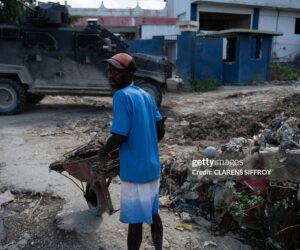
Haiti needs an urgent Security and Food Recovery Compact linking accountable security operations, protected humanitarian corridors, agricultural recovery, and restored essential services. Cuba needs an Energy and Essential Services Recovery Program that expands solar power and battery storage for hospitals, schools, water systems, and food production while advancing practical economic reforms. In both countries, dependable essential services are vital to restoring people’s ability to work, learn, and live with dignity.
Every government should publish a national delivery scorecard showing what it promised, funded, completed, or delayed. Each priority should have a responsible minister, a clear deadline, and quarterly public reporting. Citizens deserve to know what public resources have achieved and who is accountable. The Caribbean needs fewer grand announcements and more disciplined action that delivers for all the people. It needs capable institutions, productive economies, and investments that improve everyday life. Political office lasts for a season, but its results can shape generations. History will remember the opportunities leaders opened, the organizations they strengthened, and the lives they improved. The people are the purpose. Their progress is the measure. Their future is the legacy. Every leader entrusted with public office must eventually answer one question. Are people living better because you governed?
Related News
Azruddin Mohamed Remains Jailed As His 24-Year-Old Sister Enters Guyana Parliament

An Apology Cannot Settle The Debt – Empire, Reparations and the Unfinished Meaning of Ca...
The Day After The Landslide-What The Grenada Election Teaches The Caribbean About Power, O...