No joy, no respite during Ramadan for families in Gaza City destroyed by Israel .
 20 February 2026
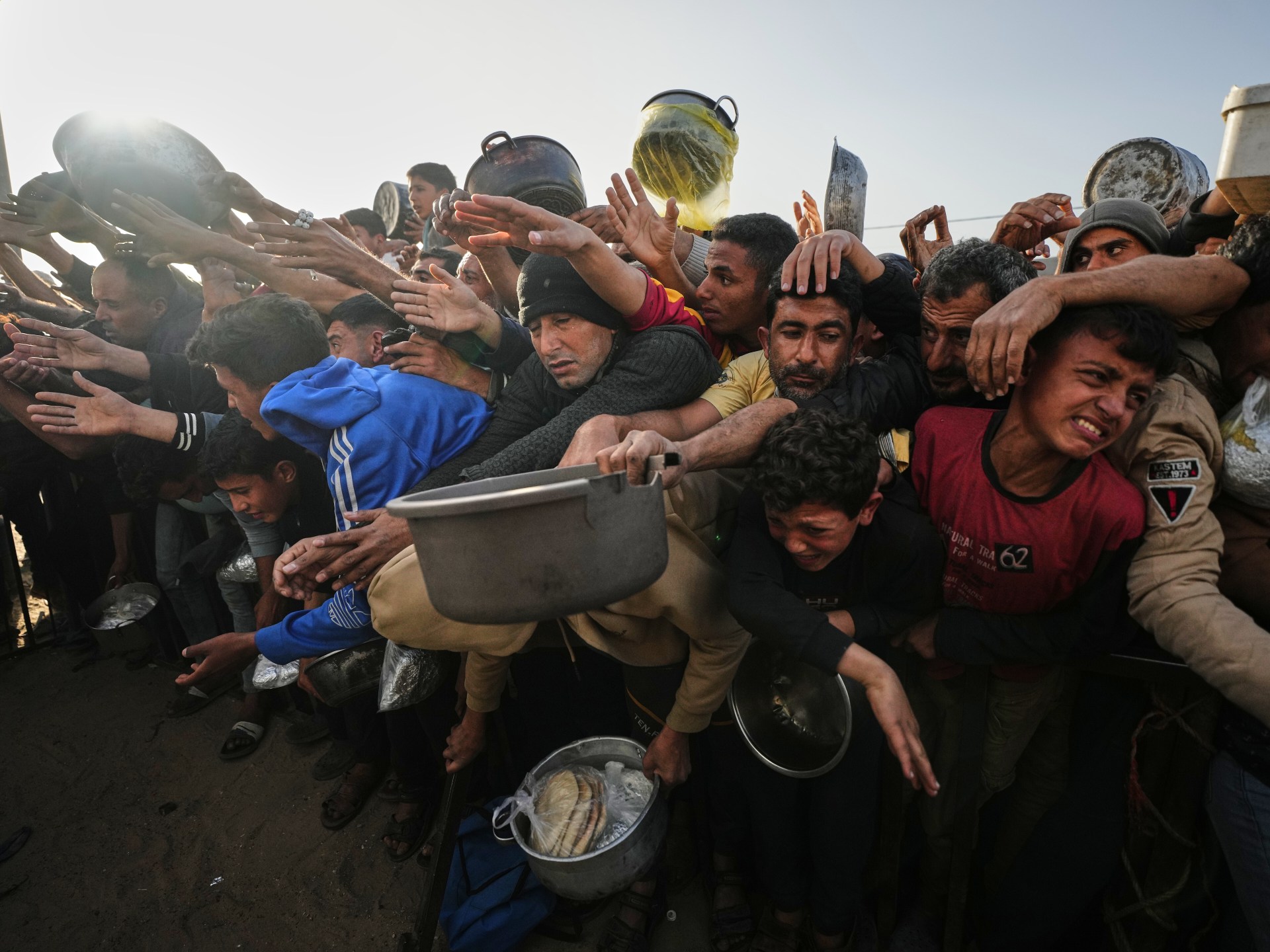

Just before sunset on Thursday, Nisreen Nassar crouched over her makeshift oven, burning wood and scraps of plastic to bake bread for her family so they could break their fast.
Four months after the United States-brokered “ceasefire” came into effect in October, and as US President Donald Trump convened the first meeting of his Board of Peace on Thursday, she wasn’t expecting to be sheltering with her family in an abandoned school and cooking on an open fire during the Muslim holy month of Ramadan.
- list 1 of 3Ramadan begins in Palestine, Gulf; Egypt, Syria, more Muslim states to come
- list 2 of 3Thousands of Western nationals fought Israel’s war on Gaza: What to know
- list 3 of 3Diplomats slam Israel’s Gaza ‘ceasefire’ violations, West Bank push at UNSC
end of list
“Our preparations and expectations for Ramadan this month were that it would be better than previous ones during the war. Unfortunately, it is worse,” Nassar told Al Jazeera’s Hani Mahmoud, reporting from Gaza City.
Nassar’s family is one of many still living in schools and makeshift shelters throughout northern Gaza, relying on humanitarian aid for their basic needs and barely able to prepare a meal to break their fast, known as Iftar, due to gas shortages.
Nassar, her husband Thaer, and their seven children lived in Beit Hanoon, in the northeast, before Israel’s genocidal war on Gaza began in October 2023, which has killed more than 72,000 people, according to Gaza’s Ministry of Health statistics.
They have since been displaced several times, from Beit Hanoon to Rafah and Khan Younis in the south.
The Nassar family is still waiting for a decision that would allow them to return home – or to what remains of it. This marks the third Ramadan that they have been living in a school, which, apart from the concrete walls, offers little shelter.
Advertisement
The children sleep not in beds, but directly on a classroom floor. The Nassar family’s only possessions comprise a few bags of clothes and some thin blankets.
Thaer said his children are afraid to go outside due to Israeli gunfire, in violation of the “ceasefire” agreement.
“My children live in fear, whether they go out into the street or stay here in the shelter. In the past, in better days, they had better times, playing ball, going to school, and then returning home.”
According to Gaza’s Ministry of Health, more than 600 Palestinians have been killed in Israeli attacks since the “ceasefire” came into effect.
While Palestinians have had little respite this Ramadan, Mahmoud said Palestinians remain steadfast.
“For many of the Palestinians sheltering inside this school, Iftar is a celebration of spiritual resilience, unbroken by Israel’s genocide and a future that is far from certain.”
Related News
Europe’s growing fight over Israeli goods: Boycott movements mushroom
Activist group Extinction Rebellion says it is under FBI investigation

In Munich, Rubio urges transatlantic unity but lashes Europe on migration