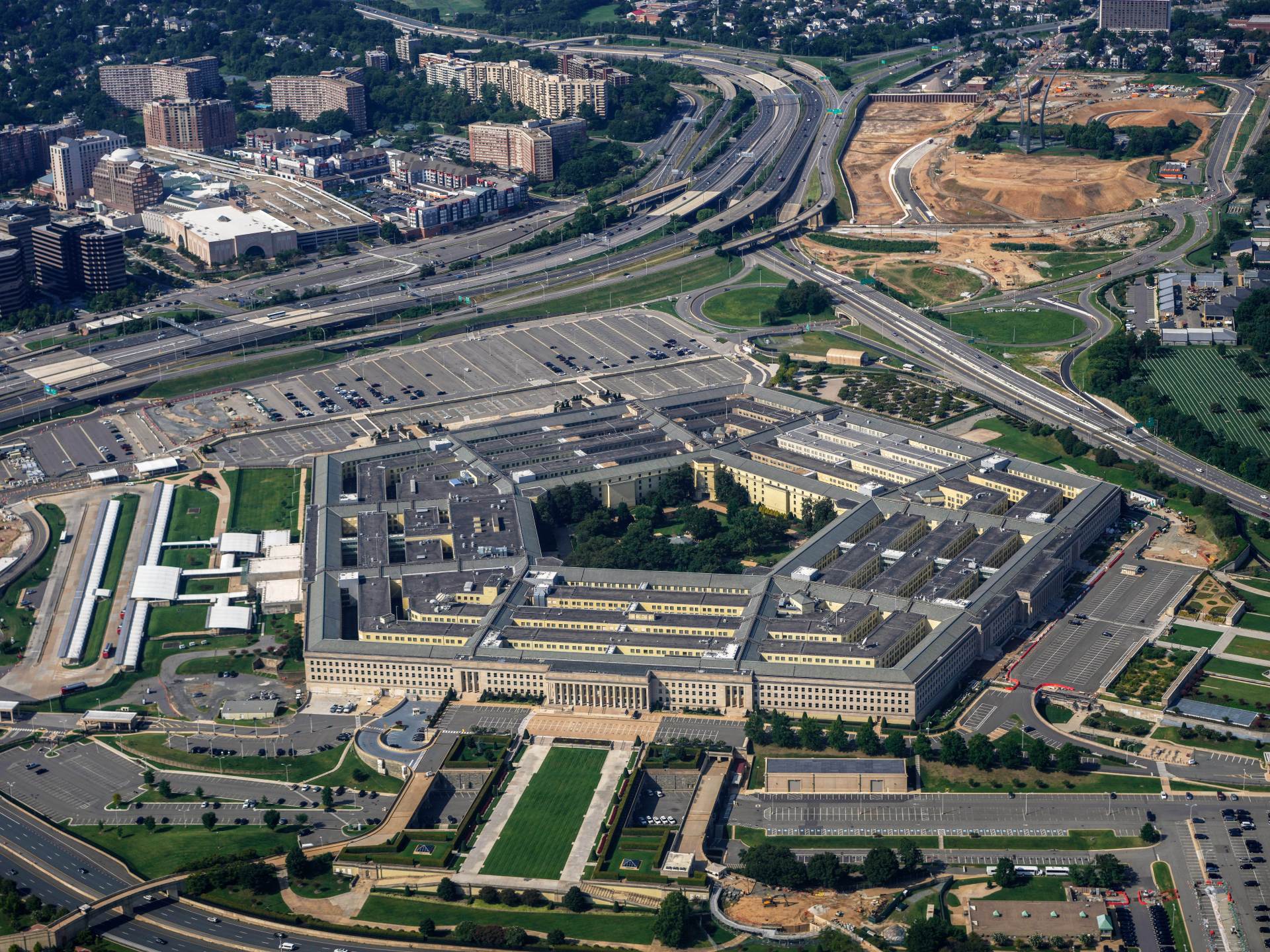

The New York Times newspaper, one of the largest in the United States, has filed a lawsuit against the Pentagon that seeks to overturn new rules limiting access to media outlets.
In the filing on Thursday, the newspaper said the rules imposed by Defense Secretary Pete Hegseth violate the US Constitution’s First Amendment freedom of speech guarantees, as well as its due process provisions. They argue the rules give Hegseth the power to determine on his own whether a reporter should be banned.
- list 1 of 3Family of man slain in a US boat strike in the Caribbean lodges complaint
- list 2 of 3Inspector general report raises concerns about Hegseth’s use of Signal chat
- list 3 of 3Has the Pentagon really exonerated Pete Hegseth over Signal leaks?
end of list
Several outlets, including The New York Times, have left offices located inside the Pentagon instead of agreeing to the new rules, reshaping the press corps inside the building to include mostly outlets seen as friendly to the administration of US President Donald Trump.
“The policy is an attempt to exert control over reporting the government dislikes,” Charles Stadtlander, spokesman for the Times, said in a statement after the case was filed with the US District Court in Washington, DC.
The Pentagon did not immediately respond to the lawsuit.
News outlets have continued to report on the military from outside of the facility since October, breaking several stories in recent weeks, including a so-called double-tap strike on a boat in the Caribbean that experts say may constitute a war crime.
Still, the Times argues in the lawsuit that the denial of access restricts its reporters’ ability to do their jobs and will, in turn, “deprive the public of vital information about the United States military and its leadership”.
Advertisement
The policy enacted under Hegseth states that receiving or publishing sensitive information “is generally protected by the First Amendment”, but adds that soliciting the disclosure of such information “may weigh in the consideration of whether you pose a security or safety risk”.
The wording effectively gives Pentagon officials the right to oust reporters if they do not like a story they are working on, the Times lawsuit argued.
The Pentagon has said the policy imposes “common sense” rules that protect the military from the release of information that could put them in danger. During her briefing on Tuesday, Pentagon press secretary Kingsley Wilson said the legacy media outlets were not missed.
“The American people don’t trust these propagandists because they stopped telling the truth,” Wilson said. “So, we’re not going to beg these old gatekeepers to come back, and we’re not rebuilding a broken model just to appease them.”
In a statement, the Pentagon Press Association, a group that represents journalists who cover the agency, said it was encouraged by the Times’ “effort to step up and defend press freedom”.
“The Defense Department’s attempt to limit how credentialed reporters gather the news and what information they may publish is antithetical to a free and independent press and prohibited by the First Amendment,” it said.
Related News

Gaza militia leader accused of collaborating with Israel killed: Reports
Taiwan unveils $40bn budget for defence spending to counter China
Countries sharply split on fossil fuels on COP30 climate summit final day