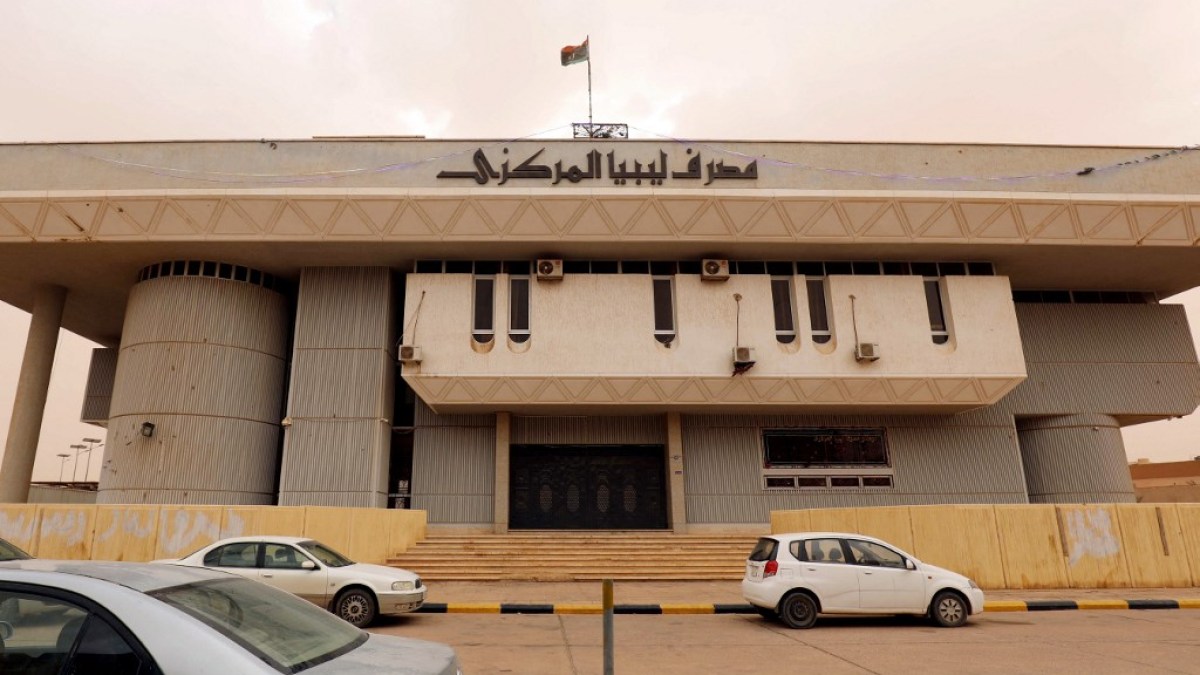

Libya’s rival legislative bodies have approved a unified state budget for the first time in more than a decade, in a rare moment of cooperation in a country fractured by years of conflict.
The Central Bank of Libya confirmed on Saturday that both chambers had endorsed the budget, describing the move as a step towards restoring financial stability after prolonged division.
- list 1 of 3Libya’s oil disputes mirror Hormuz crisis, fuel European energy fears
- list 2 of 3Mediterranean migrant deaths mounting towards 1,000 in 2026: UN
- list 3 of 3Libyan financier enabled ‘$300m in loans’ for Haftar’s Tripoli offensive
end of list
Governor Naji Issa said the agreement showed the country could overcome internal rifts.
“This is a clear declaration that Libya is capable of overcoming its differences when a unified vision for its future is forged,” he said during a signing ceremony in Tripoli.
Libya has remained split since the 2014 civil war, which created rival administrations in the east and west. The last time the country operated under a single national budget was in 2013.
The deal brings together the eastern-based House of Representatives (HoR) and the Tripoli-based High Council of State, two institutions that have long competed for authority.
Representatives from both sides signed the agreement in the capital, where the internationally recognised Government of National Unity is based under Prime Minister Abdul Hamid Dbeibah.
Despite the breakthrough, political divisions remain entrenched. In the east, forces loyal to Khalifa Haftar maintain control over large parts of the country, including key oil-producing regions.
His self-styled Libyan National Army dominates major export terminals along the northeastern coast, as well as significant oil fields in the south and southeast.
Advertisement
The timing of the agreement underscores Libya’s growing importance in global energy markets. Demand for its crude has increased amid disruptions linked to the Israel-US war on Iran and the blockade of the Strait of Hormuz.
Libya’s geographic position offers a critical advantage. Oil shipments from its ports reach European refineries quickly and avoid the risks associated with Gulf routes, including military escorts and high insurance costs.
Its light, sweet crude also meets the needs of European refiners facing ongoing supply challenges.
Previous attempts to stabilise Libya’s energy sector have relied on informal arrangements rather than institutional agreements. In 2022, during another period of energy crisis triggered by the war in Ukraine, key figures from rival factions struck a deal to keep oil flowing.
The new budget agreement signals a shift towards more formal cooperation, even as Libya’s political fragmentation persists.
Related News

US fertility rate drops to all-time low, continuing a two-decade decline
Guns in the streets as US, Israel intensify month-long attacks across Iran
Funeral held for Al Jazeera’s Wishah killed in Israeli strike in Gaza