Israeli air attacks on Lebanon reach highest level since ceasefire: Report
 05 February 2026
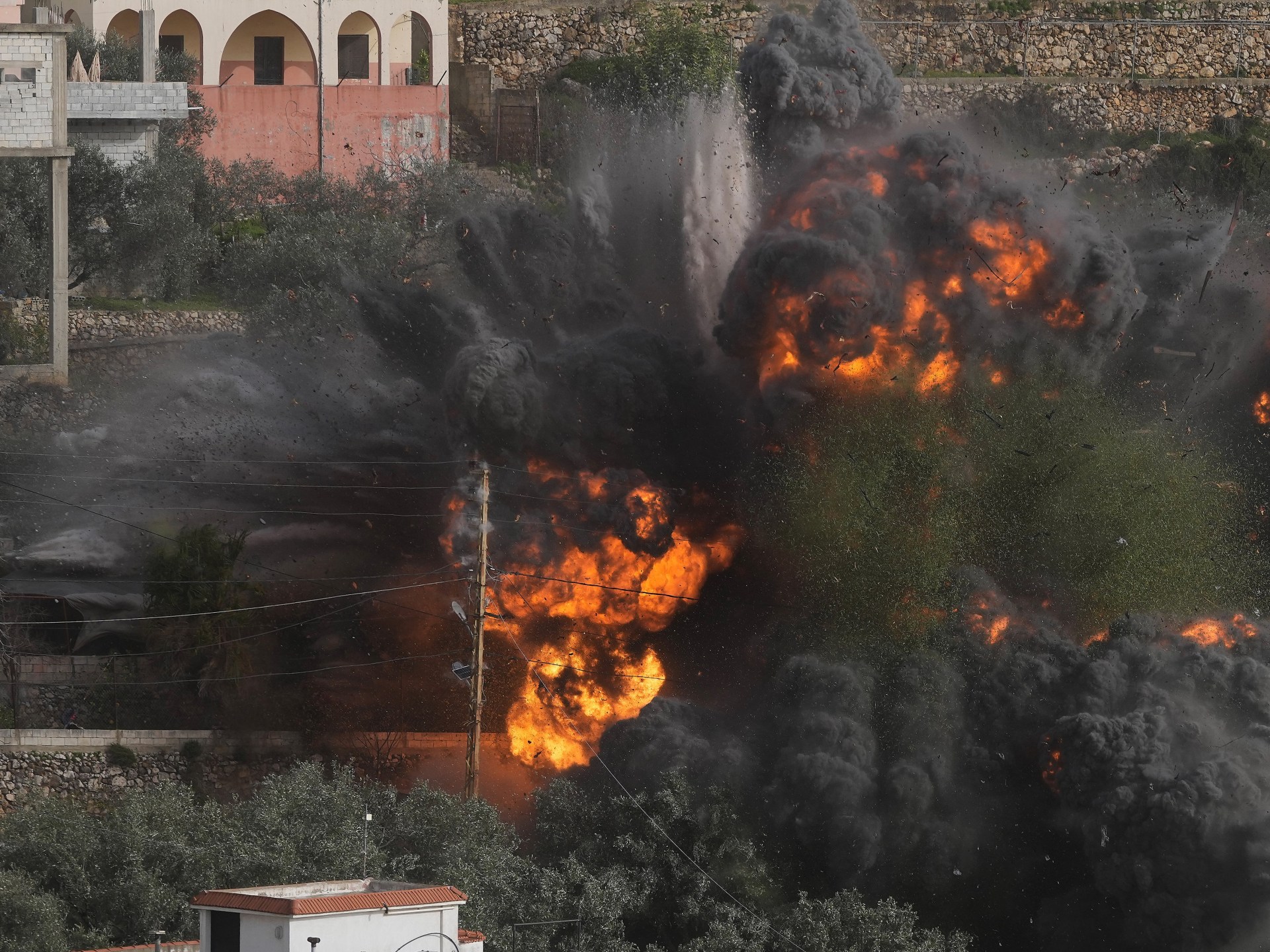

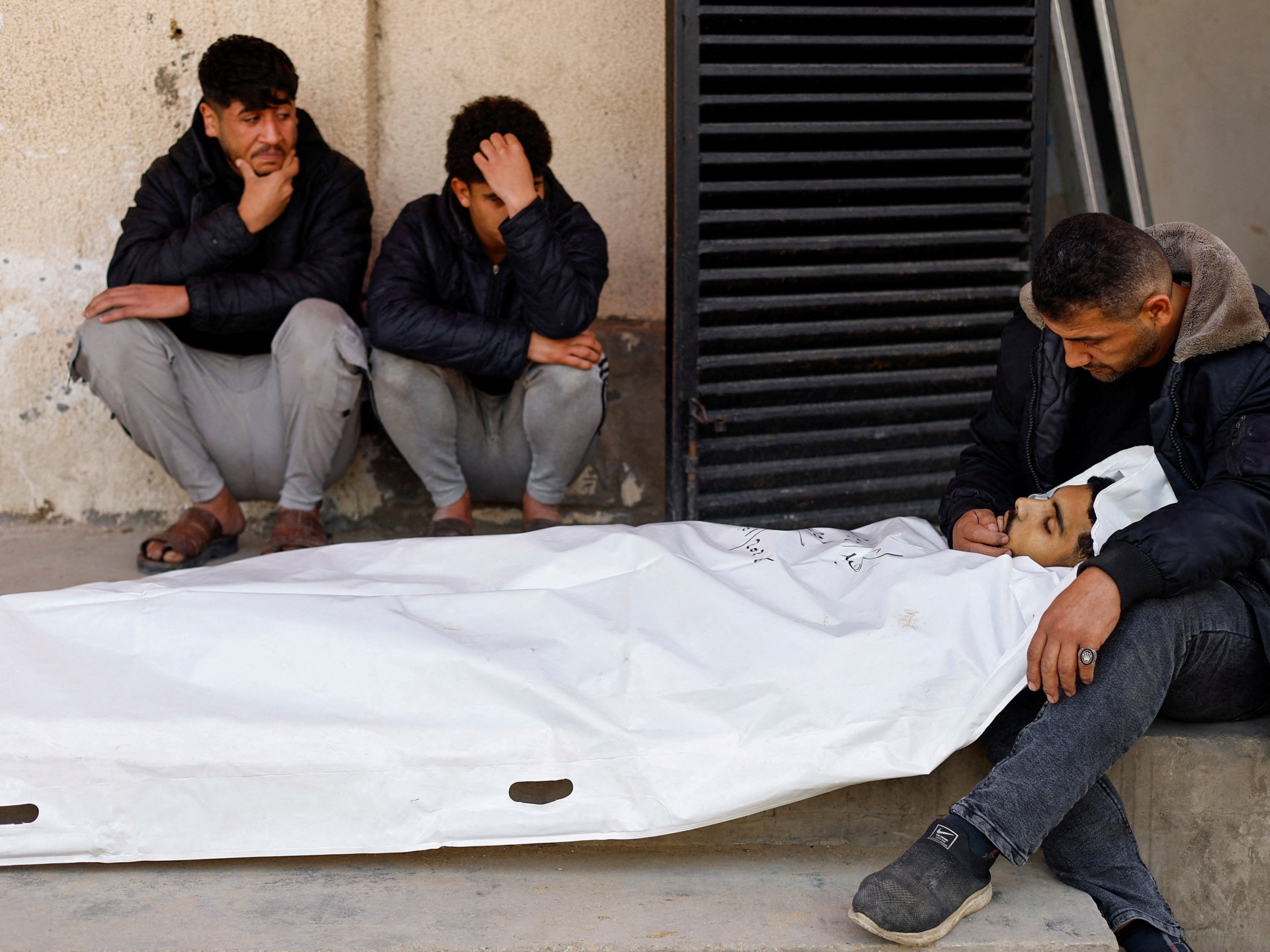
Israel is carrying out a “clear and dangerous” surge in air attacks on Lebanon, the Norwegian Refugee Council (NRC) has said, with its warplanes conducting more attacks on its neighbour in January than in any previous month since the ceasefire.
The humanitarian organisation said on Thursday that Israeli warplanes had carried out at least 50 air raids on Lebanon last month – about double the number of the previous month.
- list 1 of 4A year after Hezbollah-Israel ceasefire, over 64,000 Lebanese displaced
- list 2 of 4Will Hezbollah continue to avoid responding to Israel’s attacks on Lebanon?
- list 3 of 4‘Health crime’: Aoun slams Israel over spraying chemicals in south Lebanon
- list 4 of 4Some in Israel question its influence over US as Iran war decision nears
end of list
The group said the repeated attacks made a mockery of the ceasefire agreed between Israel and Lebanon in November 2024, after more than a year of cross-border attacks and a two-month-long Israeli intensification that killed thousands in Lebanon and devastated civilian infrastructure.
“These attacks – as well as the many ground incursions that continue to happen away from the cameras – have deemed the ceasefire agreement little more than ink on paper,” said Maureen Philippon, NRC’s country director in Lebanon.
The data, provided to the NRC by security company Atlas Assistance, captures only attacks carried out by manned Israeli warplanes and does not include Israeli drone attacks, which regularly result in deaths in Lebanon, or attacks carried out during Israeli ground incursions.
The Israeli attacks have continued in recent days. On Monday, Israeli warplanes targeted buildings in two villages in southern Lebanon, Kfar Tebnit and Ain Qana, after issuing evacuation orders to residents.
Israel’s military claimed the buildings were Hezbollah “military infrastructure” and said it was targeting them in response to what it said were the group’s prohibited attempts to rebuild its activities in the area.
Advertisement
On Wednesday, Lebanon’s President Joseph Aoun accused Israel of committing an environmental crime after Israeli aircraft sprayed an unknown substance over southern Lebanese towns.
Death and displacement
The NRC said the ongoing attacks have created a climate of fear and instability for residents and were hampering much-needed reconstruction efforts, in a country still reeling from the effects of the conflict with Israel before the ceasefire.
The attacks have struck targets in dozens of cities and villages in southern Lebanon and the Bekaa Valley, destroying homes and displacing families in an environment where approximately 64,000 people have already been displaced by the conflict.
“Aid agencies, including NRC, are still dealing with the aftermath and consequences of months of destructive conflict which left much of Lebanon in ruins,” said Philippon.
She said the effect of the attacks was being felt by families and children, citing a school in west Bekaa that had recently been repaired by her organisation, only to be damaged again in a recent attack in the area.
“This means yet another spell of interrupted education for children,” she said.
Philippon called on Israel’s allies to do “everything they can to stop these attacks on civilian areas and villages”.
“This vicious cycle has to end,” she added.
‘Thousands’ of breaches
Under the terms of the November 2024 ceasefire, cross-border attacks were supposed to stop; Hezbollah was to withdraw north of the Litani River, which runs across south Lebanon; and Israel was to withdraw troops that had invaded south Lebanon in October.
Israel, however, has continued its attacks across the south and the Bekaa Valley in the east on a near-daily basis, while its army continues to occupy five points in southern Lebanon.
The Lebanese government says Israel has committed thousands of breaches of the ceasefire agreement.
Hezbollah has launched only one attack in the 14 months since the ceasefire, while Israel has killed more than 330 people in Lebanon, including at least 127 civilians, and a top Hezbollah commander, Haytham Ali Tabatabai.
Related News

FBI arrests ex-Canadian snowboard Olympian turned alleged drug lord
Trump says US still ‘watching Iran‘ as ‘massive’ fleet heads to Gulf region
‘Health crime’: Aoun slams Israel over spraying chemicals in south Lebanon