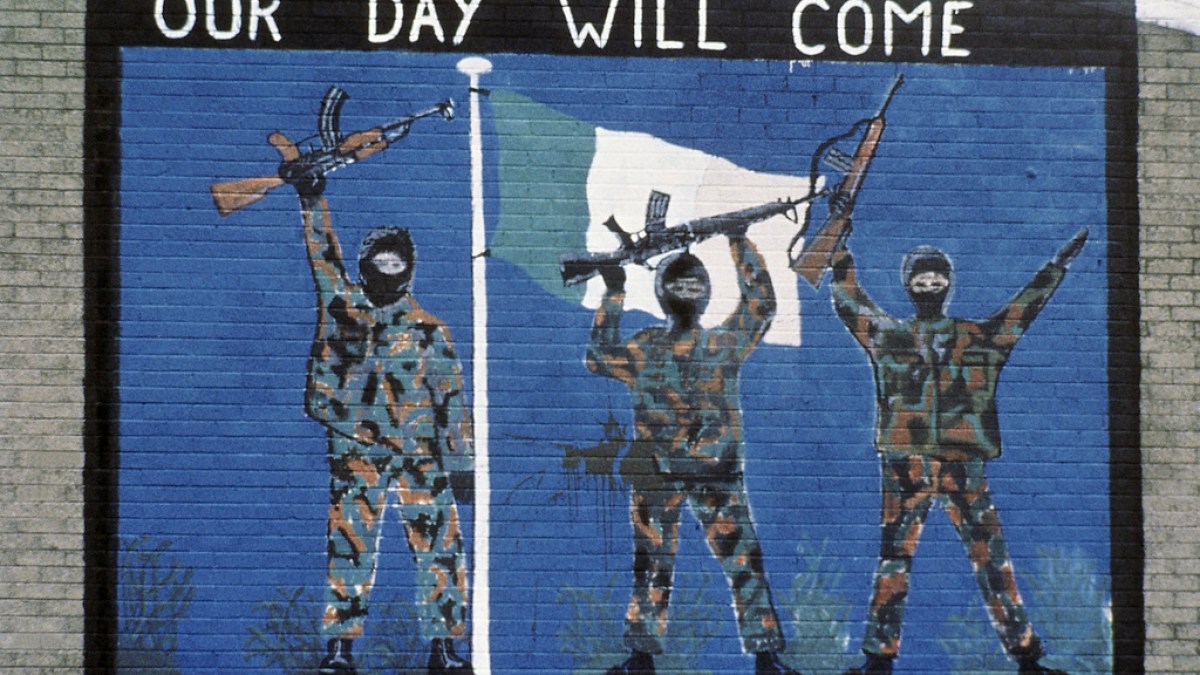
Hamas has its own disarmament vision as Gaza truce enters critical phase
 11 December 2025
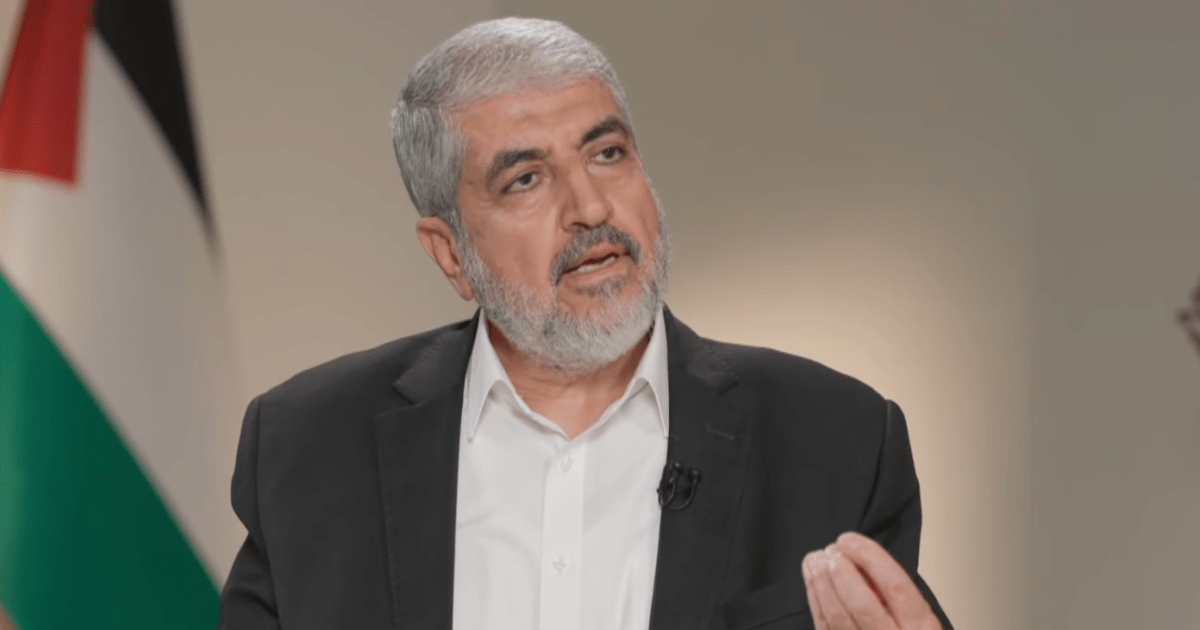

The Head of Hamas Abroad Khaled Meshaal has said the group is trying to ”convince” the United States administration about its own “vision” on how to deal with and handle the group’s weapons and military arsenal which remains a major sticking point in the second phase of the two-month ceasefire, which Israel has relentlessly violated.
Speaking on Al Jazeera Arabic’s Mawazin programme on Wednesday, Meshaal said Hamas aims to “create a situation with guarantees that war does not return between Gaza and the Israeli occupation,” addressing issues such as “how this weapon can be stored, safeguarded, not used, and not displayed.”
- list 1 of 2Displaced Gaza families struggle as winter storm hits
- list 2 of 2The Take: Who was Israel-backed Gaza militia leader Yasser Abu Shabab?
end of list
He outlined ideas to sustain the fragile truce as phase one, involving prisoner and captive exchanges, comes to an end.
Israel has not kept its end of the deal in allowing the free flow of humanitarian aid into besieged enclave, a violation all the more acute in its genocidal war on Gaza as hundreds of thousands of people in Gaza suffer the brunt of Strom Byron in makeshift tents for shelter.
The more contentious second phase will address Israeli withdrawal, Palestinian disarmament, and the formal end of the war.
He told Al Jazeera’s Mawazin program that mediators were in dialogue with the US on Hamas’s approach to disarmament, but cautioned that surrendering weapons on the ground would be akin to “removing the soul” of the organization.
Meshaal suggested moving to the second phase and adopting Hamas’s disarmament plan was plausible, saying the US would likely take a pragmatic approach and ensure Israel honours the deal. He added that it was Gaza which was facing a threat from Israel, and “not from Gaza, whose disarmament they demand.”
Advertisement
Hamas was founded in the late 1980s during the First Intifada, a widespread Palestinian uprising against Israeli occupation in the West Bank and Gaza. Its armed wing, the Qassam Brigades, formed shortly after and has been central to the group’s identity, fighting Israeli forces since the early 1990s, while its political wing has governed Gaza since 2006.
A key element of Trump’s phased peace plan, agreed in early October, calls for Hamas and other Palestinian armed groups to surrender their weapons to an international peacekeeping force, ending the group’s nearly two-decade rule over Gaza. Senior Israeli officials have described it as a crucial war aim, warning that failure to achieve it could cause the truce to collapse.
Though Israel has violated the agreement more than 700 times—killing 377 people—it has largely held, with Israel still occupying over half of the devastated Gaza Strip. Over the course of Israel’s genocidal war, more than 70,000 Palestinians have been killed and more than 170,000 injured, according to records by Gaza health officials.
Only one captive abducted during the Hamas-led attacks in southern Israel of October 2023 remains in Gaza, while hundreds of Palestinian prisoners, including the remains of some who died in Israeli detention, have been returned. Many of the returnees, including those who were deceased, have shown signs of torture, mutilation and execution, according to officials in Gaza.
Mediators have emphasized the need for a coordinated effort as the ceasefire enters what Qatari Prime Minister Sheikh Mohammed bin Abdulrahman bin Jassim Al Thani called a “critical moment.”
A US official confirmed to Al Jazeera that intense negotiations are underway to move to phase two, while Israeli Prime Minister Benjamin Netanyahu said the first phase is nearing completion. Netanyahu added that he wanted to “achieve the same results in the second stage”.
The last ceasefire brokered by Trump earlier this year collapsed at the end of its first phase, after Israel abruptly violated the agreement and resumed military operations in Gaza, killing 400 people in the first day.
At the Doha Forum last weekend, Turkish foreign minister Hakan Fidan cautioned patience in disarming Hamas, saying it would not occur immediately and emphasising that “we need to proceed in the correct order and remain realistic”.
Turkiye has expressed interest in joining an international stabilization force (ISF) to facilitate Israel’s withdrawal from Gaza and help maintain peace between Israel and Palestinian armed groups. Israel has rejected any Ankara involvement.
Meshaal said Hamas is not opposed to the presence of international peacekeepers, such as UNIFIL forces in Lebanon, despite criticizing the UN Security Council’s endorsement of Trump’s plan, and expressed confidence that the force could prevent “military escalation against Israel from inside Gaza.”
Advertisement
Meshaal also shared his vision for Gaza’s future governance, reiterating that Hamas would hand control to technocrats while emphasizing that “we want the Palestinian to govern the Palestinian, and for he himself to decide who governs him.”
He criticized Trump’s so-called “board of peace,” a body the US president said he hopes would supervise the territory’s governance, saying it was fraught with risks and would amount to “a form of guardianship” over the territory.
Meshaal told Al Jazeera that talks in Egypt had brought together various Palestinian factions to form a representative group for Gaza, with eight members selected, but added that the process was “being obstructed by Israel.”
Related News

Rescue efforts under way after severe floods across Asia kill nearly 1,000
Trump and Lula hold phone call to discuss US tariffs on Brazil, sanctions
Hong Kong blaze death toll reaches 45 as rescue operations continue